​​​​

a Strategic Investment Destination


Dubai’s rise from a fishing port to a world-class urban economy is not the result of chance, but of clear vision and decisive leadership.


Since its founding in 1833, Dubai has continuously reinvented itself—shifting from pearl trading to logistics, tourism, finance, and real estate. Lacking the vast oil reserves of its neighbors, Dubai turned necessity into strategy, making diversification the core of its long-term success.


Infrastructure investment accelerated following the discovery of oil in 1966. The launch of Jebel Ali Port and the Jebel Ali Free Zone in the 1970s and 80s brought global trade routes to Dubai’s shores. By the late 1990s,


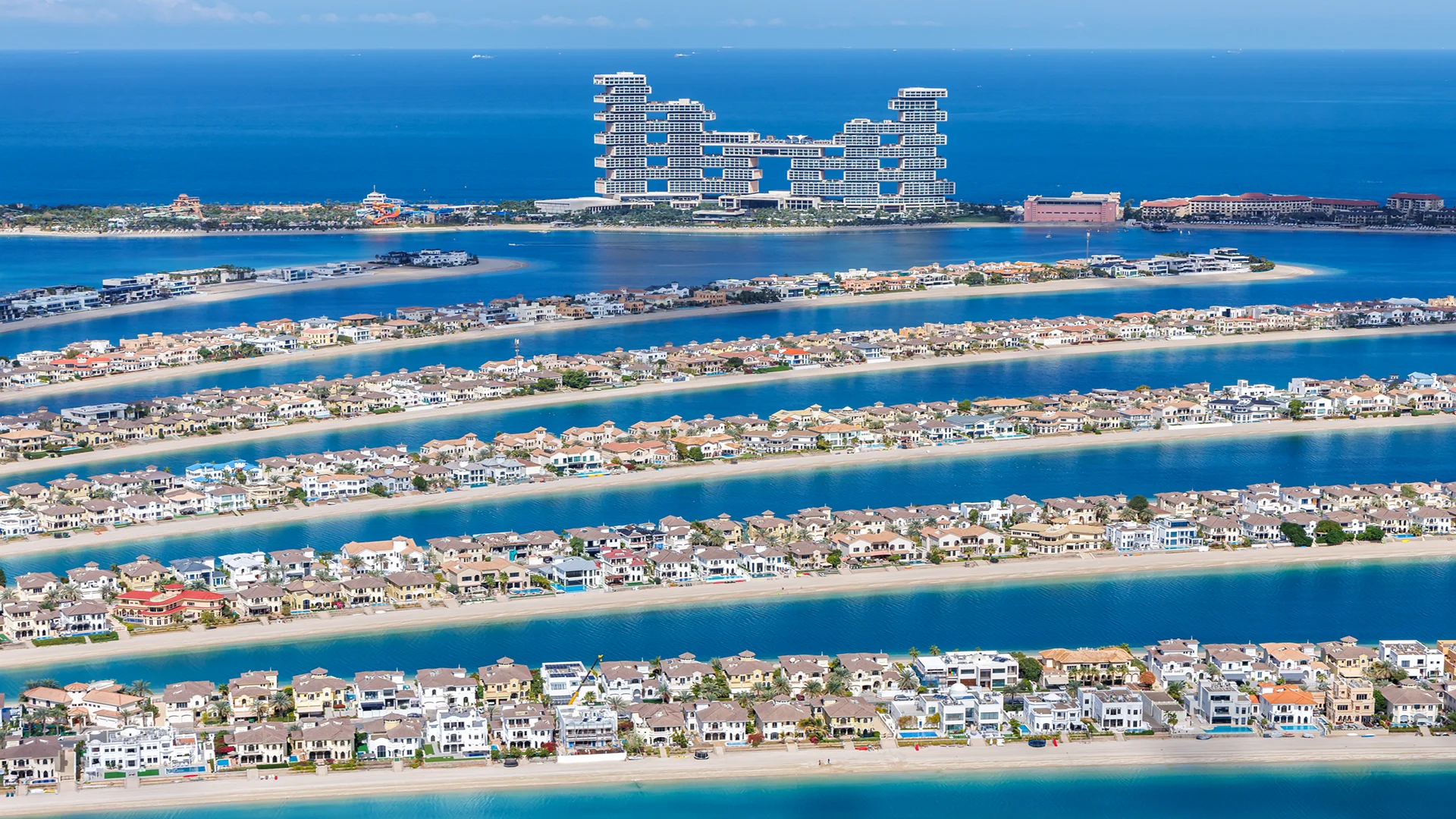
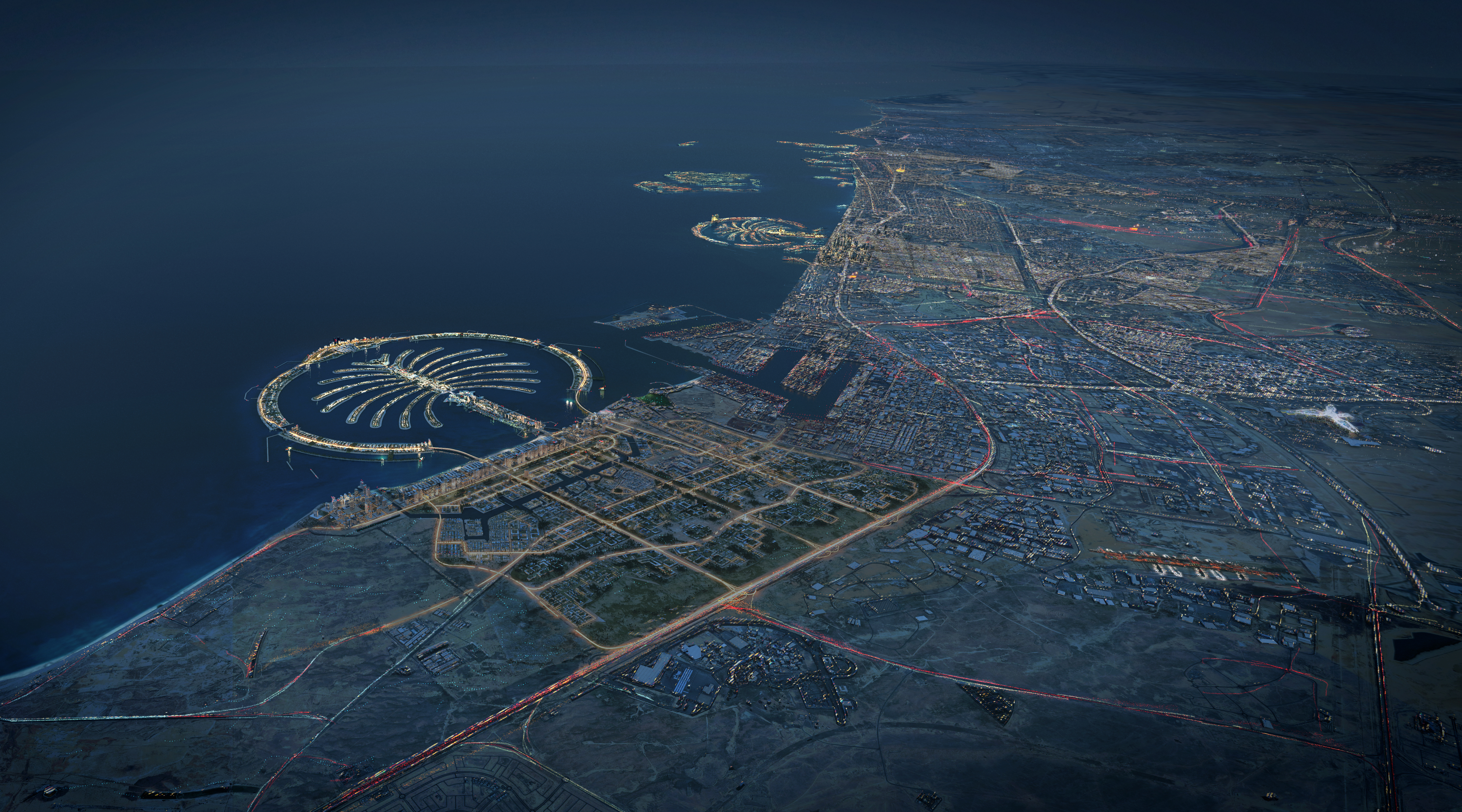
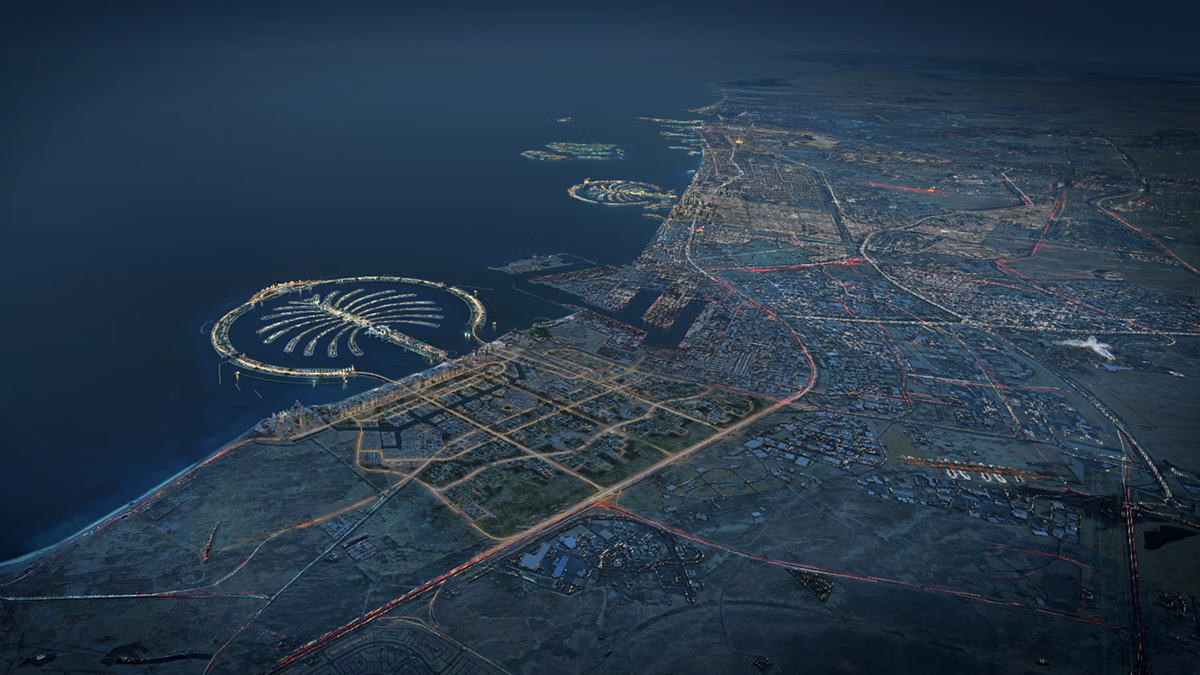
the world began to take notice—with projects like Burj Al Arab, Emirates Airlines, and Palm Jumeirah positioning the city as a bold new global brand.


The decision in 2002 to allow foreign ownership of freehold property opened the door to international capital—and the foundations of today’s mature real estate market were laid.
​​​​

a Strategic Investment Destination


Dubai’s rise from a fishing port to a world-class urban economy is not the result of chance, but of clear vision and decisive leadership.


Since its founding in 1833, Dubai has continuously reinvented itself—shifting from pearl trading to logistics, tourism, finance, and real estate. Lacking the vast oil reserves of its neighbors, Dubai turned necessity into strategy, making diversification the core of its long-term success.


Infrastructure investment accelerated following the discovery of oil in 1966. The launch of Jebel Ali Port and the Jebel Ali Free Zone in the 1970s and 80s brought global trade routes to Dubai’s shores. By the late 1990s,


the world began to take notice—with projects like Burj Al Arab, Emirates Airlines, and Palm Jumeirah positioning the city as a bold new global brand.


The decision in 2002 to allow foreign ownership of freehold property opened the door to international capital—and the foundations of today’s mature real estate market were laid.

​​​​​

Where Vision Meets Reality

Where Vision Meets Reality


​​​​

Built on Cycles, Guided by Policy


Dubai’s property market has evolved in tandem with global financial cycles, yet is uniquely shaped by decisive local policy. The early 2000s tech boom ushered in the city’s first wave of international property investment.


A correction followed in the aftermath of the 2008 global financial crisis, prompting the introduction of tighter regulation and escrow protections.


The post-pandemic era, however, has redefined the market’s character. While other cities locked down, Dubai stayed open. Its measured health response, vaccine rollout, and global accessibility attracted a new demographic—many of whom arrived for a short stay and decided to stay indefinitely.


 Today, real estate demand is being driven by residents who are here to live, work, and invest long term. Between 2021 and 2023, Dubai’s market recorded over AED 1.2 trillion in total sales, with annual volumes exceeding AED 460 billion.


At the premium end, record-breaking deals have redefined expectations: from a AED 302 million villa on Palm Jumeirah to a penthouse at Bulgari Lighthouse reportedly exceeding AED 410 million.


 Yet, even at these levels, Dubai remains competitively priced. Prime properties average AED 3,500–7,000 per square foot—substantially lower than comparative assets in London, New York, or Hong Kong. For investors, this pricing gap offers an opportunity to access top-tier urban living at a global discount.

Built on Cycles, Guided by Policy


Dubai’s property market has evolved in tandem with global financial cycles, yet is uniquely shaped by decisive local policy. The early 2000s tech boom ushered in the city’s first wave of international property investment.


A correction followed in the aftermath of the 2008 global financial crisis, prompting the introduction of tighter regulation and escrow protections.


The post-pandemic era, however, has redefined the market’s character. While other cities locked down, Dubai stayed open. Its measured health response, vaccine rollout, and global accessibility attracted a new demographic—many of whom arrived for a short stay and decided to stay indefinitely.


 Today, real estate demand is being driven by residents who are here to live, work, and invest long term. Between 2021 and 2023, Dubai’s market recorded over AED 1.2 trillion in total sales, with annual volumes exceeding AED 460 billion.


At the premium end, record-breaking deals have redefined expectations: from a AED 302 million villa on Palm Jumeirah to a penthouse at Bulgari Lighthouse reportedly exceeding AED 410 million.


 Yet, even at these levels, Dubai remains competitively priced. Prime properties average AED 3,500–7,000 per square foot—substantially lower than comparative assets in London, New York, or Hong Kong. For investors, this pricing gap offers an opportunity to access top-tier urban living at a global discount.

180,900
Total No. transactions 2024
AED 522B
Real Estate transaction value 2024
60.5%
Offplan contribution total volume
27%
YOY Increase transaction value
36%
YOY increase transaction volume
19.46%
YOY RPPI increase
55%
YOY increase new investors
81,200
Resident Millionaires
237+
Resident Centi-millionaires
3.93 M+
Population 85%+ Expats
AED 452B
Est GDP Dubai 2024
AED 86B
Government budget 2025
Panel only seen by widget owner

who's buying and why that matters


Dubai is no longer a transient stop for professionals chasing short-term, tax-free income. It is now home to a new wave of long-term residents—entrepreneurs, executives, families, and retirees who have decided to build their futures here.


This demographic shift is driven by a convergence of global uncertainty and local appeal. Safety has become a defining asset in a world grappling with rising crime and political instability. Dubai ranks among the safest cities in the world.


Its public services—from hospitals to schools—are ranked among the best in the region, if not globally. Its tax framework is investor-friendly, with no income, inheritance, or capital gains taxes on individuals.


 Lifestyle also plays a central role. Clean, efficient, and culturally open, Dubai offers a cosmopolitan standard of living. With its strategic geographic location, over two-thirds of the world is accessible within an eight-hour flight.


This connectivity has made Dubai not only a lifestyle hub—but also a business one. Networking, collaboration, and private capital deployment converge here at a scale unmatched in the region.

180,900
Total No. transactions 2024
AED 522B
Real Estate transaction value 2024
60.5%
Offplan contribution total volume
27%
YOY Increase transaction value
36%
YOY increase transaction volume
19.46%
YOY RPPI increase
55%
YOY increase new investors
81,200
Resident Millionaires
237+
Resident Centi-millionaires
3.93 M+
Population 85%+ Expats
AED 452B
Est GDP Dubai 2024
AED 86B
Government budget 2025
Panel only seen by widget owner

who's buying and why that matters


Dubai is no longer a transient stop for professionals chasing short-term, tax-free income. It is now home to a new wave of long-term residents—entrepreneurs, executives, families, and retirees who have decided to build their futures here.


This demographic shift is driven by a convergence of global uncertainty and local appeal. Safety has become a defining asset in a world grappling with rising crime and political instability. Dubai ranks among the safest cities in the world.


Its public services—from hospitals to schools—are ranked among the best in the region, if not globally. Its tax framework is investor-friendly, with no income, inheritance, or capital gains taxes on individuals.


 Lifestyle also plays a central role. Clean, efficient, and culturally open, Dubai offers a cosmopolitan standard of living. With its strategic geographic location, over two-thirds of the world is accessible within an eight-hour flight.


This connectivity has made Dubai not only a lifestyle hub—but also a business one. Networking, collaboration, and private capital deployment converge here at a scale unmatched in the region.

Institutions, Infrastructure &
Long-Term Vision


Dubai’s economic ecosystem supports more than real estate returns—it supports the individuals behind them. The introduction of long-term Golden Visas, five- and ten-year residency options, and company ownership reforms have fundamentally altered how investors approach the UAE.


 At the same time, the city continues to deliver on infrastructure. The Dubai Metro expansion, AI-enabled public services, and smart city systems all reinforce its global competitiveness. Leading institutions such as Cleveland Clinic, King’s College Hospital, and branch campuses of international universities offer stability, continuity, and long-term assurance to residents.


 Real estate transactions, once informal, are now supported by mature legal frameworks, blockchain land registries, and digital portals. This level of institutional transparency is uncommon across emerging markets—and gives Dubai a key advantage in building investor confidence.

Institutions, Infrastructure &
Long-Term Vision


Dubai’s economic ecosystem supports more than real estate returns—it supports the individuals behind them. The introduction of long-term Golden Visas, five- and ten-year residency options, and company ownership reforms have fundamentally altered how investors approach the UAE.


 At the same time, the city continues to deliver on infrastructure. The Dubai Metro expansion, AI-enabled public services, and smart city systems all reinforce its global competitiveness. Leading institutions such as Cleveland Clinic, King’s College Hospital, and branch campuses of international universities offer stability, continuity, and long-term assurance to residents.


 Real estate transactions, once informal, are now supported by mature legal frameworks, blockchain land registries, and digital portals. This level of institutional transparency is uncommon across emerging markets—and gives Dubai a key advantage in building investor confidence.

The future of the markets landscape


Dubai’s population stood at approximately 3.65 million in 2024. That figure is projected to rise to 5.8 million permanent residents and 7.8 million including commuters and tourists by 2040, according to the Dubai Urban Master Plan.


Importantly, this growth is not solely driven by job creation—it is underpinned by global migration trends.

As regulatory pressure, taxation, and quality-of-life concerns rise in Western jurisdictions, Dubai offers a credible alternative: neutral, globally connected, and increasingly permanent.


Many of the world’s mobile capital holders are repositioning themselves—and their families—here.

That shift is already visible in the real estate market. Demand is increasingly lifestyle-driven.

Buyers are not just seeking ROI—they’re building homes, legacies, and platforms for long-term wealth preservation.

The future of the markets landscape


Dubai’s population stood at approximately 3.65 million in 2024. That figure is projected to rise to 5.8 million permanent residents and 7.8 million including commuters and tourists by 2040, according to the Dubai Urban Master Plan.


Importantly, this growth is not solely driven by job creation—it is underpinned by global migration trends.

As regulatory pressure, taxation, and quality-of-life concerns rise in Western jurisdictions, Dubai offers a credible alternative: neutral, globally connected, and increasingly permanent.


Many of the world’s mobile capital holders are repositioning themselves—and their families—here.

That shift is already visible in the real estate market. Demand is increasingly lifestyle-driven.

Buyers are not just seeking ROI—they’re building homes, legacies, and platforms for long-term wealth preservation.

image to show the population increase in dubai from 2020 to 2025

A City of the Future - Available Today


The Dubai 2040 Urban Master Plan is an ambitious yet grounded framework for sustainable, inclusive urban growth. It reserves over 60% of land for nature and recreation. It prioritises mixed-use development, transit integration, and wellness-oriented neighbourhoods. It defines where future investment will flow—not just into assets, but into the quality of life that surrounds them.


 For real estate investors, this offers more than a growth story. It offers access to an economy calibrated for longevity. A city planned, governed, and built to attract—and retain—the world’s most mobile minds and capital.


Dubai is no longer a short-term play. It is a strategic base for wealth, security, and global engagement.

A City of the Future - Available Today


The Dubai 2040 Urban Master Plan is an ambitious yet grounded framework for sustainable, inclusive urban growth. It reserves over 60% of land for nature and recreation. It prioritises mixed-use development, transit integration, and wellness-oriented neighbourhoods. It defines where future investment will flow—not just into assets, but into the quality of life that surrounds them.


 For real estate investors, this offers more than a growth story. It offers access to an economy calibrated for longevity. A city planned, governed, and built to attract—and retain—the world’s most mobile minds and capital.


Dubai is no longer a short-term play. It is a strategic base for wealth, security, and global engagement.

Panel only seen by widget owner
  •